When to Buy a New Car vs Keep Your Current Vehicle
Deciding when to buy a new car or keep your current vehicle? This guide walks through the key financial and practical factors to help you decide in 2026.
When to Buy a New Car vs Keep Your Current Vehicle
The decision to replace a vehicle rarely arrives with obvious clarity. More often, it surfaces as a persistent question: is this repair worth it, or is it time to move on? For many drivers in Sunnyvale, the calculus involves more than monthly payments versus repair bills. It involves reliability, safety, total cost of ownership, and the opportunity cost of holding onto a vehicle that may be quietly draining resources. Getting this decision right requires a structured framework — not a gut feeling.
The Core Question: Replace vs Repair Car
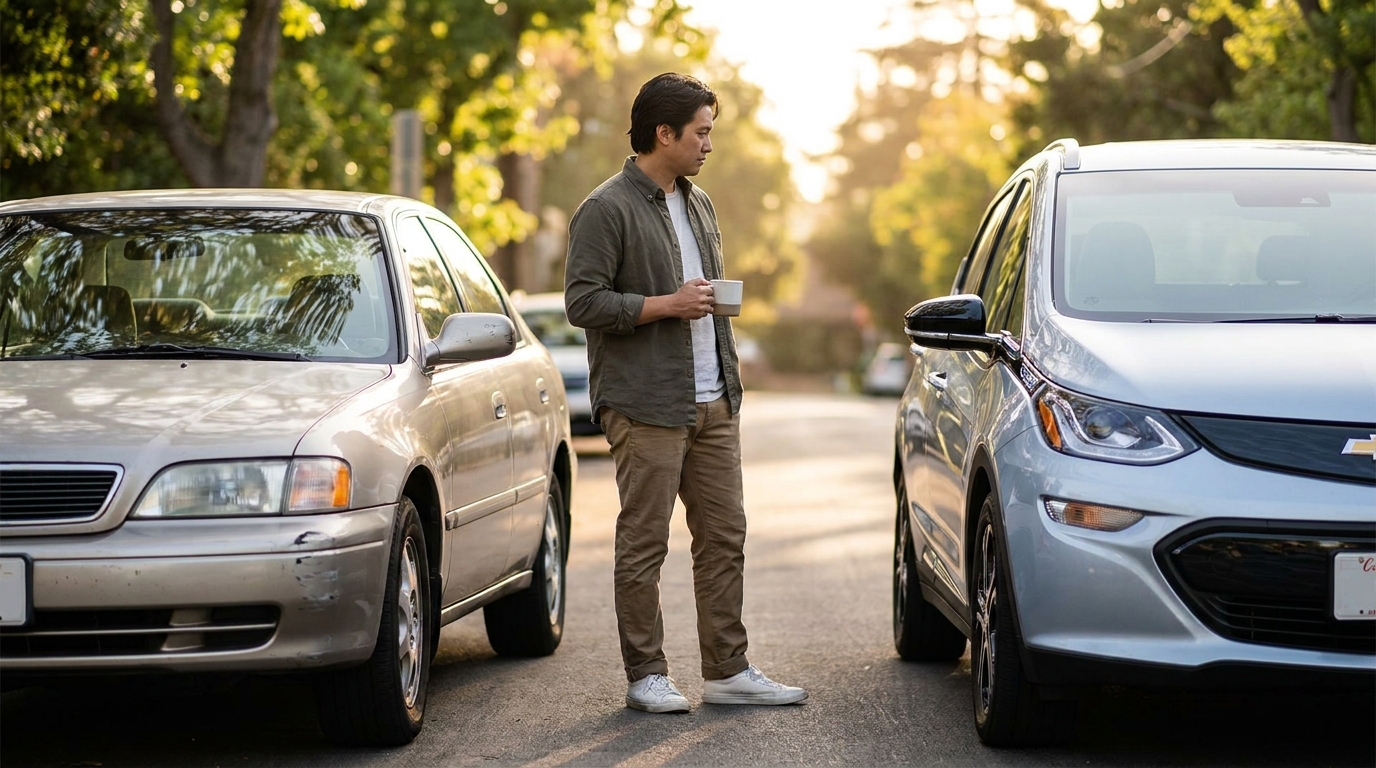
The replace vs repair car debate is one of the most common financial dilemmas vehicle owners face. The instinct to repair is understandable — a familiar car with no monthly payment feels like the financially conservative choice. But that logic breaks down when repair costs begin compounding, fuel efficiency declines, or safety features become obsolete relative to newer vehicles.
A widely cited rule of thumb in the automotive industry is the "50 percent rule": if a single repair estimate exceeds 50 percent of the vehicle's current market value, replacing becomes the more rational option. As of 2026, the average age of vehicles on U.S. roads has climbed past 12 years, meaning many owners are navigating exactly this threshold. When repair costs approach or exceed half a car's Kelley Blue Book value, the financial argument for keeping it begins to unravel.
Signs It's Time to Consider a New Car
Repair Costs Are Escalating
One or two moderate repairs over the life of a vehicle are normal and expected. The warning sign is frequency — when visits to the service department become routine, and costs begin stacking month over month. Transmission issues, failing electrical systems, or persistent engine problems on high-mileage vehicles often signal that the underlying infrastructure of the car is degrading, not just individual components.
Owners should track cumulative repair spending over a 12-month period. If that figure approaches or exceeds what annual payments on a replacement vehicle would cost, the financial case for keeping the car weakens considerably.
Safety Technology Has Fallen Behind
Vehicle safety technology has advanced significantly, and the gap between a 2026 model and a 2026 model is substantial. Modern vehicles come equipped with automatic emergency braking, lane-keeping assist, blind-spot monitoring, and advanced airbag systems that simply did not exist or were not standard a decade ago. For families and commuters navigating Sunnyvale's busy corridors — Highway 101, El Camino Real, and Lawrence Expressway — these features are not luxury add-ons. They represent measurable reductions in collision risk.
The National Highway Traffic Safety Administration consistently shows that newer vehicles outperform older models in frontal crash and rollover ratings. If a current vehicle lacks basic driver-assistance technology, that gap has real-world consequences.
Fuel and Operating Costs Are Unusually High
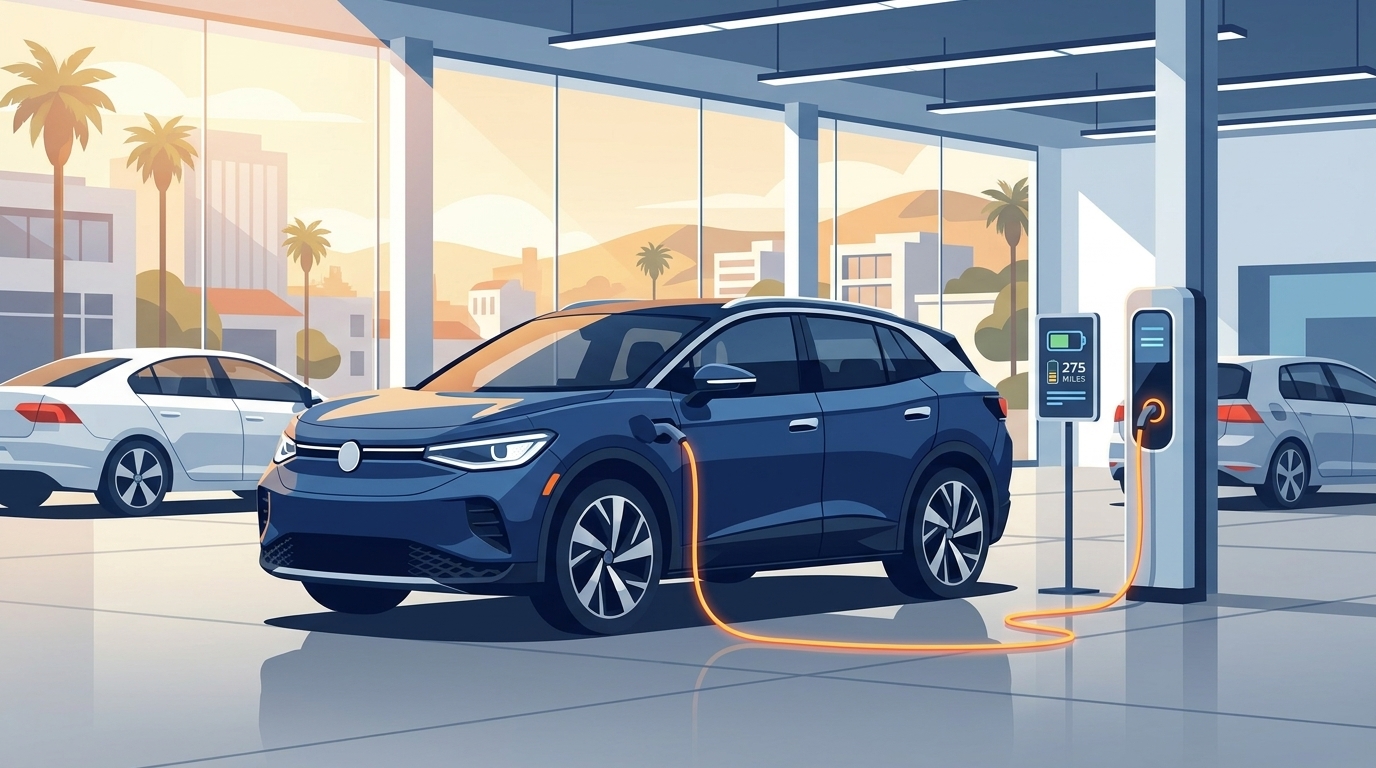
Older vehicles, particularly those with declining engine efficiency or aging transmissions, consume more fuel per mile than their original specifications suggest. In a market like Sunnyvale — where daily commutes are long and gas prices remain elevated relative to national averages — those additional costs add up quickly. For drivers considering an electric vehicle transition, the savings calculation shifts even further. Vehicles like the Volkswagen ID.4 and ID.7 carry significantly lower per-mile operating costs than gasoline counterparts, particularly given California's utility rate structures for EV charging.
The Vehicle No Longer Fits Your Life
Life circumstances change, and vehicles that suited a driver five years ago may be poorly matched to current needs. A growing family, a new job with a longer commute, or a shift to remote work that changes how a vehicle is used — all of these can make a car functionally obsolete even if it is mechanically sound. The new car buying decision is not always about breakdown risk; sometimes it is simply about fit.
When Keeping Your Current Vehicle Makes Sense
Not every situation calls for a replacement. If a vehicle is under eight years old, has fewer than 80,000 miles, and requires only routine maintenance, the financial case for keeping it is strong. Depreciation hits hardest in the first three years of ownership — a vehicle that has already absorbed that value loss is often worth maintaining, provided repair costs remain modest.
Owners who have recently completed major repairs — a new transmission, for instance, or a rebuilt engine — should also factor in the remaining lifespan those repairs represent. A $2,500 transmission replacement on a well-maintained vehicle with solid bones may deliver several more years of reliable service, making immediate replacement financially premature.
How to Structure the New Car Buying Decision
Calculate Total Cost of Ownership, Not Just Payments
A new vehicle's monthly payment is only one line item in the total cost of ownership. Insurance premiums, registration fees, financing interest, fuel costs, and expected maintenance all factor into the real annual cost. Buyers who compare only the payment against current repair bills often underestimate the full cost of replacement. A thorough comparison looks at a five-year horizon and accounts for all variables on both sides of the ledger.
Assess Financing Conditions and Incentives
Car replacement timing is also influenced by external market conditions. In 2026, manufacturer incentive programs and financing offers vary considerably by brand and model. Volkswagen, for instance, has made EV adoption incentives a meaningful part of its retail strategy, and federal tax credits for qualifying electric vehicles remain available under current legislation. Buyers who time a purchase around available incentives can substantially reduce their net acquisition cost.
Get a Realistic Valuation of Your Current Vehicle
Before making any decision, owners should obtain an accurate market value for their current vehicle using tools like Kelley Blue Book or Edmunds. Trade-in values fluctuate with used car market conditions, and a vehicle with higher-than-expected value may shift the replacement calculation significantly. In some cases, a strong trade-in offer meaningfully reduces the effective cost of moving into a newer model.
The Sunnyvale Market Context
Sunnyvale's vehicle ownership patterns reflect the broader Bay Area dynamic: higher-than-average annual mileage, significant stop-and-go commute wear, and a comparatively high rate of EV adoption driven by state incentives and tech-industry demographics. These factors accelerate wear on older vehicles and strengthen the case for modern drivetrains — particularly electrified ones — more than in lower-mileage markets. Dealers who operate in this market regularly see the downstream effects of delayed replacement decisions: vehicles that could have been traded in at fair value instead lose further worth as repair histories accumulate.
Sunnyvale Volkswagen has observed this pattern firsthand across its customer base, which is reflected in its consultative approach to new car buying. One customer described the experience of working with the dealership as "patient, professional, knowledgeable, and genuinely listened to what I needed without any pressure" — a disposition that matters when a buyer is navigating a genuinely complex financial decision rather than a simple purchase.
Frequently Asked Questions
How many miles is too many miles to keep a car?
There is no universal threshold, but vehicles approaching or exceeding 150,000 miles face statistically higher rates of major mechanical failure. The more relevant question is maintenance history: a well-maintained vehicle at 160,000 miles may be more reliable than a neglected one at 90,000. Mileage is one signal among several, not a standalone rule.
Is it always cheaper to repair than replace?
Not necessarily. When repair costs are frequent and compounding, when fuel efficiency has declined, and when safety technology is significantly outdated, replacement can be the lower-cost option over a three-to-five year horizon. A full cost comparison — not just a single repair bill versus a single payment — is required to answer this accurately.
What is the best time of year to buy a new car in Sunnyvale?
End-of-quarter periods — particularly the end of March, June, September, and December — tend to produce more favorable negotiating conditions as dealerships work toward volume targets. Model-year transitions, typically beginning in late summer, also create opportunities to acquire outgoing models at reduced prices. That said, manufacturer incentive programs in 2026 have made timing less critical than it was in previous market cycles.
How does car replacement timing affect my trade-in value?
Waiting too long to replace a vehicle can erode trade-in value, particularly if the car accumulates visible wear, accidents, or a documented repair history. Owners who trade in before a vehicle depreciates into a lower value tier typically receive better offers. Monitoring the used car market periodically — even before a replacement decision is imminent — helps owners understand where their vehicle stands.
Should I buy or lease a replacement vehicle?
The buy-versus-lease decision hinges on annual mileage, how long buyers typically hold vehicles, and whether they prefer predictable monthly costs or long-term ownership equity. For drivers in Sunnyvale who cover high annual mileage, purchasing typically delivers better long-term value. For those who prefer driving newer vehicles every two to three years, leasing offers structured, lower-payment access to current models and technology.
Conclusion
The decision of when to buy a new car versus continuing to maintain a current vehicle is ultimately a structured financial and practical assessment — not an emotional one. Drivers who approach it methodically, accounting for total costs on both sides, safety implications, and how well their current vehicle serves current needs, consistently make more confident decisions. The most common mistake is framing the question too narrowly: comparing only the next repair bill against the next payment, rather than the full five-year picture.
For drivers in Sunnyvale who are at this crossroads and want to explore what a replacement vehicle would actually cost — including trade-in value, financing options, and available incentives — Sunnyvale Volkswagen offers a straightforward, no-pressure consultation process. Its 4.4-star rating across more than 1,400 Google reviews reflects a consistent approach to transparency in pricing and an unhurried buying experience. More information is available at sunnyvalevw.com.