San Jose Car Buying: Seasonal Timing for Best Deals
Discover the best time to buy a car in San Jose with seasonal timing strategies, market insights, and expert advice to maximize your savings in 2026.

San Jose Car Buying: Seasonal Timing for Best Deals
Anyone who has spent time shopping for a vehicle in the Bay Area knows that timing matters — sometimes more than negotiation skill. The difference between purchasing a car in March versus October can translate to thousands of dollars in savings, and that gap is not random. It reflects predictable patterns in dealer inventory cycles, manufacturer incentive programs, and regional market demand that repeat year after year. Understanding these patterns is one of the most practical advantages a San Jose car buyer can bring to the table in 2026.
Why Seasonal Timing Affects Car Prices in San Jose
Automotive dealerships operate on monthly, quarterly, and annual sales targets. When those targets are at risk of falling short, incentives increase — factory rebates grow, financing rates drop, and sales staff have more flexibility on negotiating final transaction prices. San Jose buyers who align their purchase timing with these pressure points gain natural leverage that has nothing to do with haggling technique.
The Bay Area market carries its own seasonal dynamics on top of national trends. Silicon Valley's strong professional economy means demand for vehicles remains relatively stable throughout the year, but it is not immune to the same inventory and sales cycle forces that shape every U.S. automotive market. Knowing where those windows open — and how wide — is the foundation of smart car buying timing in San Jose.
The Best Months to Buy a Car in San Jose
December: The Strongest Month for San Jose Car Deals
December consistently ranks as the single most favorable month for car buyers, and the reasoning is straightforward. Dealers are closing out annual sales targets, clearing model-year inventory, and competing against the full weight of year-end manufacturer incentive programs. In practice, this means more cash-back offers, better lease residuals, and reduced APR financing packages arriving simultaneously.
The final week of December — roughly December 26 through December 31 — is particularly active. Dealerships are in a compressed sprint to close sales before the calendar resets, and buyers who arrive informed and ready to transact will often find the most responsive pricing of the entire year. For San Jose residents shopping during this window, model-year closeout vehicles can represent especially strong value.
End of Each Quarter: March, June, and September
Quarter-end months follow a similar logic to December, just at a smaller scale. Sales managers tracking quarterly performance against manufacturer benchmarks have a concentrated incentive to move units before the quarter closes. March, June, and September are each reliable windows for above-average deals, with the last few days of each month offering the most flexibility.
In San Jose, the end of September carries additional relevance because it frequently coincides with the arrival of next model-year vehicles at dealerships. Buyers willing to purchase a current-model-year vehicle while new inventory arrives can often negotiate meaningfully below the original MSRP on outgoing stock.
Late Summer: August and the Model-Year Transition
August represents a different kind of opportunity. Most manufacturers begin shipping new model-year vehicles during the summer months, which means current-year models start accumulating on dealer lots at the same time that showroom attention shifts to the incoming lineup. This inventory overlap creates genuine pricing pressure, particularly on popular trim levels that are well-stocked.
For buyers in San Jose who are not attached to owning the newest model year, late August purchases can yield discounts that rival or exceed those available in December — without the competitive pressure of holiday shopping season.
When to Be More Cautious: Spring and Early Summer
February through May is historically a stronger seller's market in most U.S. automotive markets, and San Jose is no exception. Tax refund season drives consumer demand upward, and the combination of new model-year excitement with limited inventory tends to reduce dealer flexibility on price. Buyers who need a vehicle during this window are not without options, but they should expect fewer incentives and less room to negotiate than they would find in the fourth quarter.
This does not mean good deals are impossible in spring — manufacturer loyalty programs, competitive conquest offers, and specific model overstocks can create isolated opportunities. However, as a general rule, buyers who have flexibility on timing should consider waiting if they are currently in the February-to-May window.
Day-of-Week and Time-of-Day Timing Strategies
Beyond monthly and seasonal patterns, research into car buying timing consistently shows that weekday visits — particularly Monday through Wednesday — tend to produce better buyer experiences and more negotiating space. Dealerships are less crowded midweek, sales staff have more time to engage thoroughly, and managers handling approvals are less pressed. For San Jose buyers working from home or with scheduling flexibility, a Tuesday or Wednesday afternoon visit is structurally advantageous.
Arriving toward the end of the business day, particularly on the last day of a month, also concentrates the sales cycle dynamics described above. A salesperson who needs one more unit to hit a monthly bonus threshold at 5:00 PM on a Friday is a fundamentally different negotiating partner than that same person on a busy Saturday morning at the start of the month.
Electric Vehicles and Seasonal Incentives in 2026
San Jose buyers shopping for electric vehicles face a slightly different calculus in 2026. Federal and state EV incentive structures have continued evolving, and eligibility windows — including income thresholds, vehicle MSRP caps, and point-of-sale credit mechanics — can shift. Buyers targeting EVs should track incentive expiration dates with the same attention they give to seasonal timing, since a federal credit change or a manufacturer price adjustment can affect the effective transaction price more significantly than standard seasonal dealer discounts.
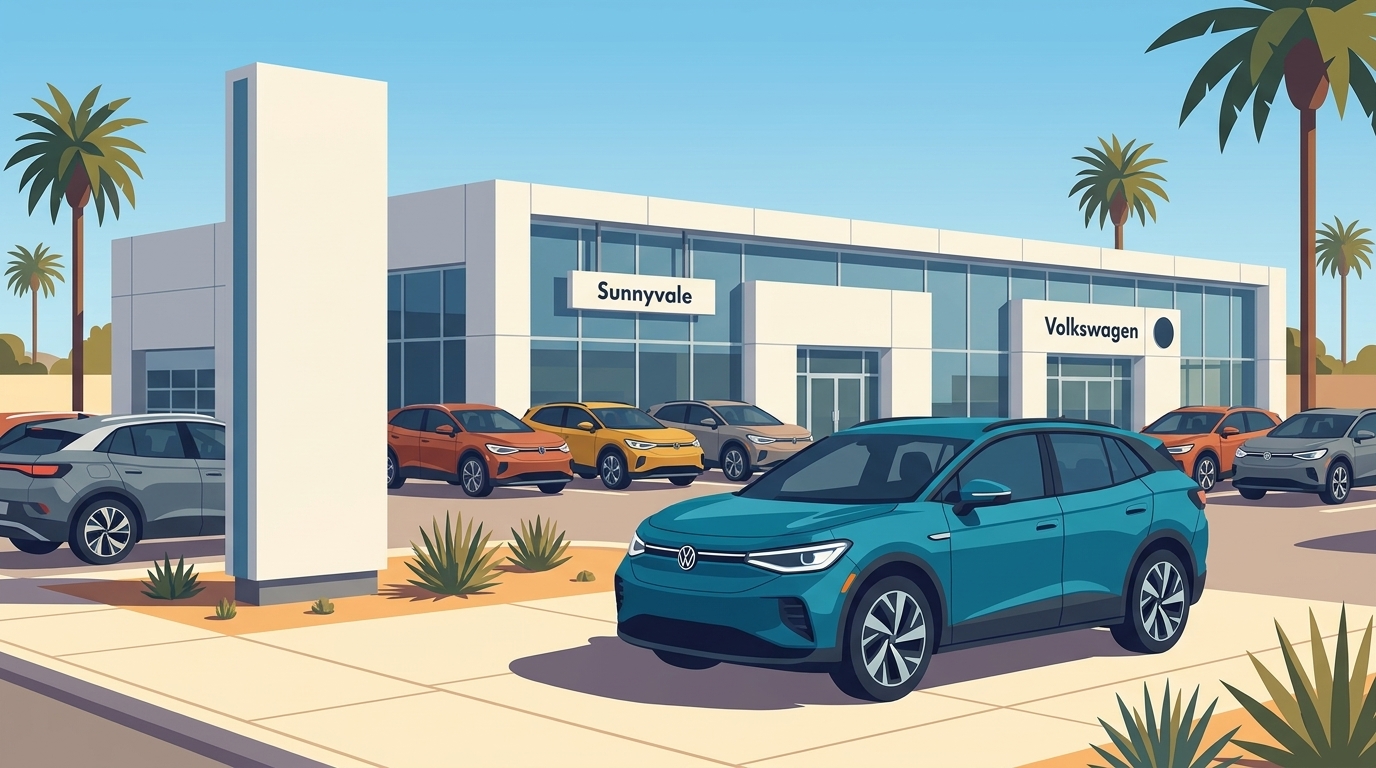
Volkswagen's ID. lineup, for example, has benefited from shifting incentive structures as the broader EV market has matured. One recent customer at Sunnyvale Volkswagen noted the experience of purchasing a 2026 ID.4 Pro S — describing how the entire process was set up before arrival and completed in under two hours — which reflects the kind of streamlined experience that becomes especially valuable when buyers are working within a specific incentive eligibility window.
San Jose Market Conditions That Shift Seasonal Patterns
The Bay Area's economic structure means that local demand patterns can deviate from national averages. When the tech sector is in a hiring cycle, vehicle demand in San Jose and surrounding markets tends to stay elevated even during traditionally slower months. Conversely, periods of broader economic uncertainty — even when localized — can compress inventory and push dealers toward more competitive pricing outside typical seasonal windows.
San Jose car buyers benefit from monitoring local inventory levels across the segments they are targeting. A model with high regional demand will rarely discount as aggressively as a comparably priced vehicle that has sat on the lot for sixty-plus days, regardless of what month the calendar shows.
Frequently Asked Questions: Car Buying Timing in San Jose
What is the single best time to buy a car in San Jose?
The last week of December remains the most consistently favorable window for car buyers in San Jose. Year-end sales targets, model-year inventory clearance, and manufacturer incentive stacking create conditions that are difficult to replicate at other points in the year. Buyers who are prepared with financing pre-approval and a clear vehicle target can capitalize efficiently on this window.
Is it better to buy a car at the end of the month?
Generally, yes. Monthly sales targets create a measurable incentive for dealerships to close transactions before the calendar resets. The final two to three days of any month — especially quarter-end and year-end months — are when buyers typically find the most pricing flexibility. This is a well-documented pattern across the automotive industry, not specific to any single dealer or market.
How do model-year changes affect San Jose car deals?
When new model-year vehicles arrive at dealerships, outgoing inventory becomes a pricing priority. For San Jose buyers, this typically means the best discounts on current-year models appear between August and October, before remaining stock sells through. Buyers who are comfortable purchasing the outgoing model year can find significant savings during this transition window.
Do electric vehicle incentives change the timing equation?
Yes, significantly. Federal and California state incentives for EVs can shift on relatively short notice, and the effective purchase price of an electric vehicle depends heavily on whether a buyer qualifies for available credits at the time of transaction. EV buyers in San Jose should research current incentive eligibility before finalizing a purchase timeline, as incentive expiration can outweigh seasonal discount advantages.
Does it matter which dealership I visit in San Jose?
Timing strategy works best when paired with a dealership that operates transparently on pricing and incentive application. Customers who have purchased at Sunnyvale Volkswagen consistently highlight pricing transparency as part of what made their experience straightforward — one reviewer specifically noted "no hidden fees" as a defining aspect of the process. Buyers who have done seasonal timing research deserve a buying experience that confirms, rather than complicates, the value they have worked to create.
Putting Seasonal Timing Into Practice
Effective car buying timing in San Jose is not about gaming the system — it is about understanding how the automotive retail cycle works and scheduling accordingly. The patterns described above are consistent, well-documented, and available to any buyer willing to plan ahead. The buyers who benefit most are those who combine seasonal awareness with clear vehicle targets, pre-arranged financing, and a realistic understanding of local market inventory.
San Jose residents planning a vehicle purchase in 2026 who want to discuss how seasonal timing applies to specific Volkswagen models — including current inventory, available manufacturer incentives, and EV purchasing considerations — can reach Sunnyvale Volkswagen directly at sunnyvalevw.com. The dealership's 4.4-star rating across more than 1,400 Google reviews reflects a purchasing experience that a range of buyers have found straightforward and transparent, which is the kind of foundation that makes seasonal timing strategy worth executing.