How to Research Used Car History: VIN Reports and More
Learn how to research used car history with VIN checks, car history reports, and expert tips to protect yourself when buying a used vehicle in Sunnyvale.
How to Research Used Car History: VIN Reports and More
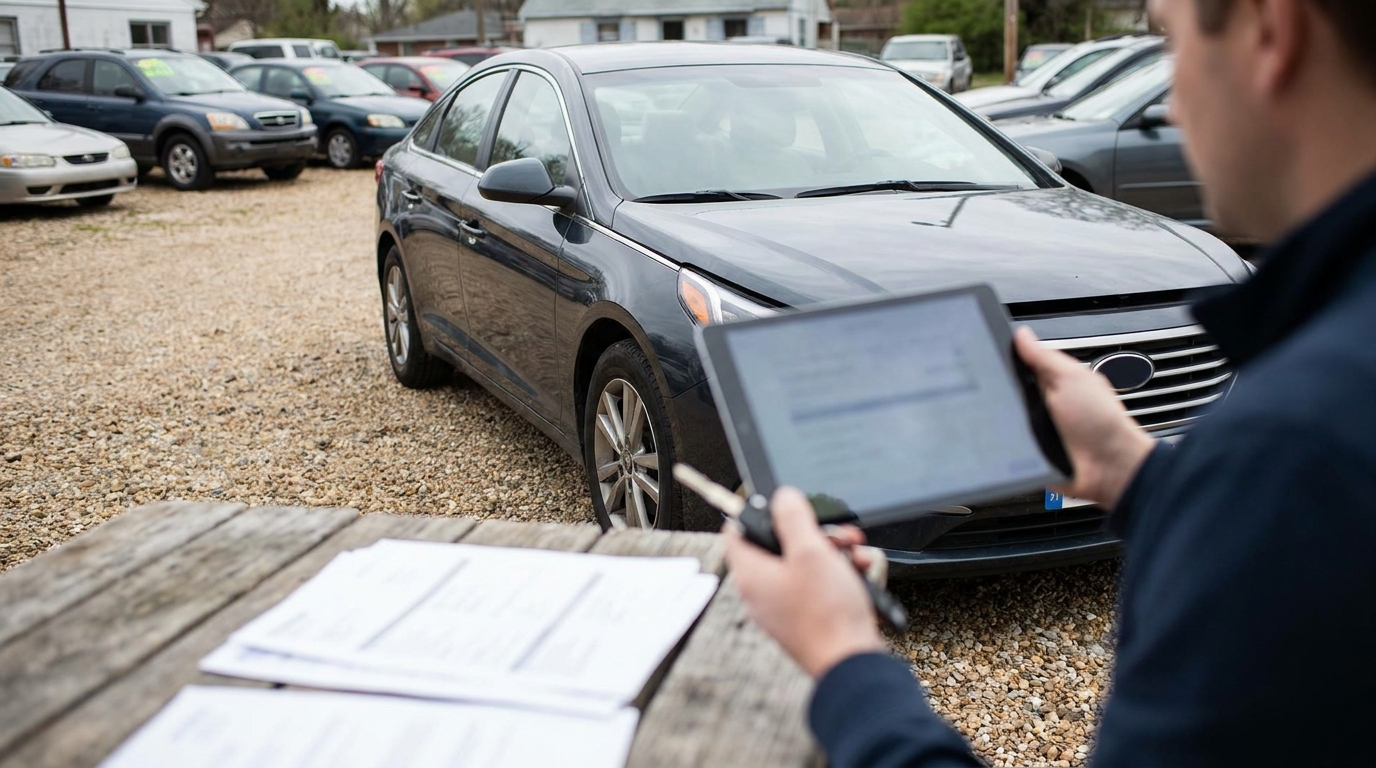
Buying a used car without researching its history is one of the most avoidable financial mistakes a buyer can make. A vehicle that looks clean on the lot might carry a record of flood damage, salvage titles, odometer rollbacks, or a string of prior accidents — none of which will be visible during a casual walkaround. In Sunnyvale's active used car market, where certified pre-owned vehicles and private-party listings compete side by side, understanding how to pull and interpret a car history report is the difference between a smart purchase and an expensive surprise.
This guide walks through every layer of used car research, from running a VIN check to evaluating what the data actually means, so buyers can make decisions grounded in documentation rather than assumption.
Why Vehicle History Research Matters in 2026
The used vehicle market has grown considerably more complex. As of 2026, the average used car transaction price in the United States sits in a range where even modest hidden problems — a prior lien, an undisclosed collision, or a lapsed recall — can translate into thousands of dollars of unexpected cost. Vehicle history databases have expanded significantly, incorporating records from insurance companies, state DMVs, auto auctions, and repair networks, making today's car history reports more comprehensive than they were even a few years ago.
That said, no single report captures everything. Buyers who understand what a VIN check covers — and what it doesn't — are far better positioned to negotiate fairly and avoid vehicles with concealed issues.
Step 1: Locate the VIN
Every vehicle built after 1981 carries a 17-character Vehicle Identification Number (VIN), and this number is the key to unlocking its history. On most vehicles, the VIN appears on a small plate visible through the lower-left corner of the windshield. It also appears on the driver's side door jamb, the engine block, and major documentation like the title and insurance card.
Before running any report, buyers should verify that the VIN on the windshield matches the one on the door jamb. Mismatched VINs are a significant red flag that may indicate a title wash, parts swapping, or a vehicle assembled from multiple salvaged units — a practice sometimes called a "rebodied" or "frankencar" vehicle.
Step 2: Run a VIN Check Through a Reputable Service
The two most widely used commercial car history report services are Carfax and AutoCheck. Both aggregate data from thousands of sources, including state DMV records, insurance claims, auto auctions, inspection stations, and dealership service histories. A standard report typically costs between $20 and $40 for a single vehicle or slightly more for a multi-report package — a modest expense relative to the cost of the vehicle itself.
There are also several free VIN check resources worth using as a first pass. The National Highway Traffic Safety Administration (NHTSA) maintains a free database at nhtsa.gov that shows open safety recalls by VIN. The National Insurance Crime Bureau (NICB) offers a free VinCheck tool that flags vehicles reported as stolen or salvaged. These free tools don't replace a full paid report, but they can catch serious red flags without any cost.
What a Car History Report Covers
- Accident and damage history: Reported collisions, airbag deployments, and structural damage claims from insurance records
- Title history: Salvage, flood, lemon law buyback, junk, or rebuilt titles — any of which significantly affects resale value and insurability
- Odometer readings: Mileage reported at registration, inspection, and service visits, flagging potential rollbacks
- Number of prior owners: Ownership patterns that may suggest fleet use, rental history, or unusually high turnover
- Service records: Maintenance visits logged at dealerships or shops within the reporting network
- Open recalls: Safety recalls that have not yet been addressed
What a Car History Report Doesn't Cover
Vehicle history reports are only as complete as their data sources. Accidents that were never reported to insurance, repairs completed by private mechanics outside the reporting network, and damage repaired without an insurance claim will not appear on any report. This is why a professional pre-purchase inspection remains essential even after reviewing a clean history report.
Step 3: Decode the VIN for Specifications
Beyond history reporting, the VIN itself encodes factory specifications for the vehicle — engine type, trim level, country of manufacture, and assembly plant. Free VIN decoders are available through the NHTSA website and through manufacturer portals. Running a decode confirms that the vehicle matches its documentation and that no major components have been swapped to misrepresent the configuration.
This step is particularly relevant when evaluating used vehicles with optional packages or higher trim designations, where buyers are paying a premium for specific features. Verifying that the VIN confirms those features were factory-installed, rather than added aftermarket, protects against misrepresentation.
Step 4: Review the Title and Ownership Documentation
A clean Carfax or AutoCheck report does not guarantee a clean title. Buyers should always request to see the physical title or, in cases where the vehicle is financed, documentation confirming the lien status. Title washing — where a salvage title is re-registered in a state with looser requirements to obscure its history — is an ongoing concern in used vehicle transactions, particularly with vehicles sold at online auctions or through private sellers.
In California, buyers can verify title status through the California DMV's VIN inquiry service. Sunnyvale buyers have the additional advantage of being able to visit the DMV field office to confirm registration and lien records in person if any documentation appears inconsistent.
Step 5: Order a Pre-Purchase Inspection
A pre-purchase inspection (PPI) by a qualified mechanic is the most reliable tool for identifying mechanical issues that no database will capture. A thorough PPI covers the engine, transmission, suspension, brakes, electrical systems, and frame condition. Most independent shops charge between $100 and $200 for a comprehensive inspection, and many dealerships — particularly those selling certified pre-owned vehicles — will provide inspection documentation as part of the sale process.
Reputable dealerships welcome third-party inspections because a clean result reinforces buyer confidence. Any seller who discourages a pre-purchase inspection should be treated as a red flag, regardless of what the history report shows.
Certified Pre-Owned Programs and What They Actually Include
For buyers who want an additional layer of protection, certified pre-owned (CPO) vehicles offer manufacturer-backed inspection standards and extended warranty coverage. Volkswagen's CPO program, for example, requires vehicles to pass a multi-point inspection, meet age and mileage thresholds, and carry a clear title — and it extends coverage beyond the original factory warranty. Experts at Sunnyvale Volkswagen regularly walk buyers through the specific inspection criteria and warranty terms for each CPO vehicle in inventory, which provides a structured starting point for buyers who are less comfortable interpreting raw history data independently.
Frequently Asked Questions: Used Car History Research
Is a free VIN check enough, or do I need a paid report?
Free tools like the NHTSA recall database and NICB VinCheck are useful for flagging stolen vehicles and open recalls, but they don't provide accident history, title events, or service records. A paid report from Carfax or AutoCheck is worth the cost for any serious purchase consideration.
How accurate are vehicle history reports?
Reports are accurate within the limits of what was reported to participating databases. Uninsured accidents, private-party repairs, and out-of-network service visits won't appear. No report should be treated as a definitive clean bill of health without a supporting physical inspection.
What title types should I avoid?
Salvage, flood, rebuilt, and lemon law buyback titles all carry significant implications for value, insurability, and long-term reliability. Rebuilt titles in particular require careful scrutiny — while some rebuilt vehicles are structurally sound, the repair quality varies widely and insurance coverage options are more limited.
Can a dealership provide car history reports?
Most franchised dealerships provide history reports as a standard part of the used vehicle sales process. Sunnyvale Volkswagen, for instance, makes history reports available for used inventory — a reflection of the transparency customers consistently highlight in their feedback. One recent reviewer noted there were "no hidden fees" and described the process as straightforward from start to finish.
What should I do if the history report shows a prior accident?
Not every reported accident disqualifies a vehicle. The relevant questions are severity, what was repaired, and whether the repair was completed properly. A minor rear bumper claim on an otherwise well-documented vehicle is different from a structural collision with airbag deployment. A pre-purchase inspection focused on the affected areas helps assess current condition independent of the report language.
Conclusion: Research First, Then Buy With Confidence
A thorough used car research process — VIN check, title verification, history report review, and independent inspection — protects buyers from the most common and costly pitfalls in the used vehicle market. None of these steps are difficult, and together they create a clear picture of what a vehicle has been through before it reaches a buyer's driveway.
For buyers in Sunnyvale who want professional guidance through this process, Sunnyvale Volkswagen's team is available to walk through history documentation, explain CPO program specifics, and support buyers in making well-informed decisions. With a 4.4-star rating across more than 1,400 Google reviews, the dealership has a consistent record of transparent, low-pressure transactions. More information is available at sunnyvalevw.com.