Volkswagen EV Lease vs Buy: Smart Money Moves for Santa Clara Residents
Weighing whether to lease or buy a Volkswagen EV in Santa Clara? Compare costs, incentives, and financing options to find the smarter move for your situation.
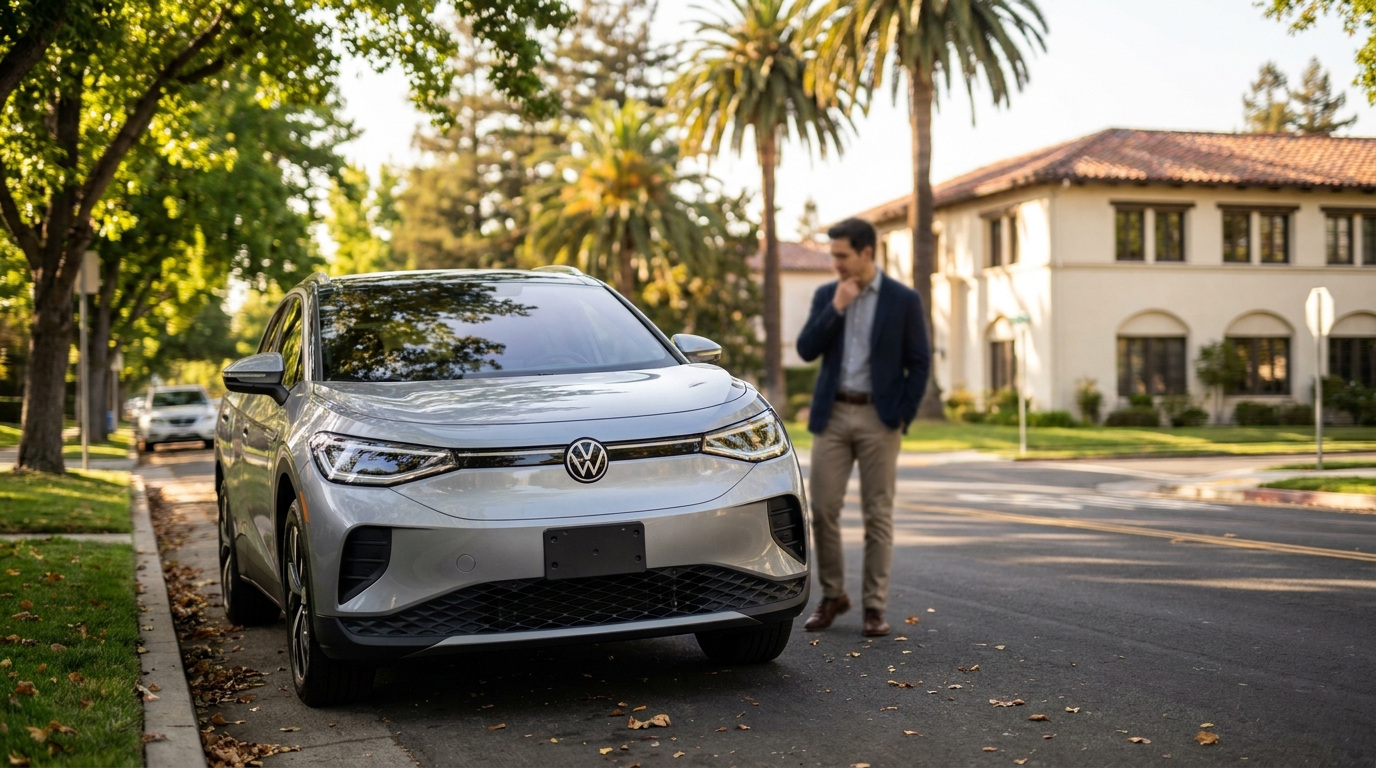
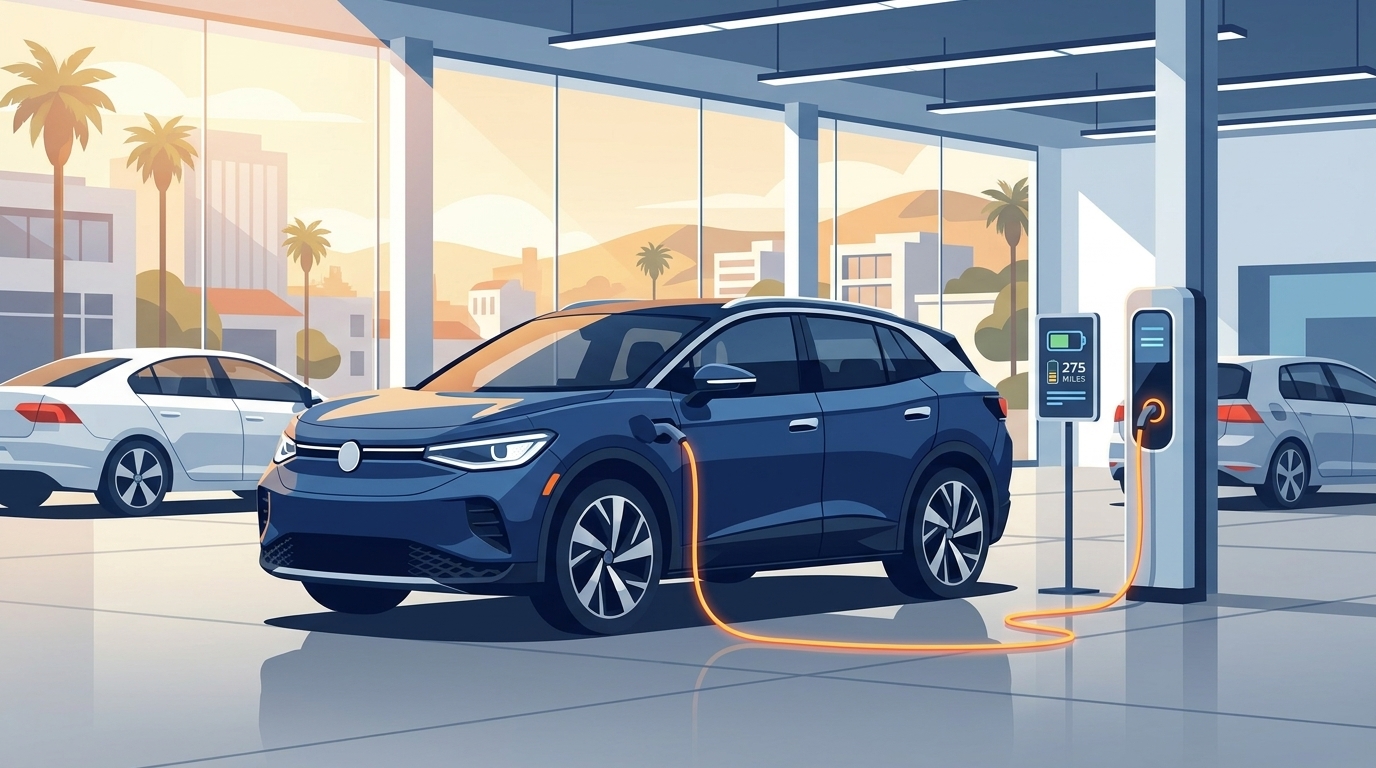
You've decided your next car will be electric, and a Volkswagen ID.4 or ID.7 is high on your shortlist. Now comes the part that trips up most Santa Clara buyers: should you lease it or finance the purchase? The answer matters more with EVs than with gas cars, because federal tax credits, rapidly evolving battery technology, and California-specific incentives all weigh on the math differently depending on which path you take.
This guide breaks down how to think about leasing versus buying a Volkswagen EV if you live in Santa Clara, what the local market looks like in 2026, and where the financing fine print can either save or cost you thousands.
Why the Lease vs Buy Question Is Different for EVs
With a traditional gas car, the lease-versus-buy decision is mostly about monthly cash flow and how long you keep vehicles. With an electric vehicle, three additional factors come into play:
- The federal Clean Vehicle Credit. The way the credit flows through a lease is structurally different from how it works on a purchase, and that gap often makes leasing financially attractive even for buyers who'd normally prefer to own.
- Battery and software depreciation. EV technology is improving fast. The ID.4 you drive in 2026 will likely have shorter range and slower charging than the 2029 model. Leasing offloads that depreciation risk.
- California incentives and HOV access. Santa Clara residents have access to state-level rebates and Clean Air Vehicle decals that affect both lease and purchase paths, but the eligibility rules don't always overlap.
Let's unpack each path.
The Case for Leasing a Volkswagen EV in Santa Clara
For many Santa Clara drivers — especially those commuting up the 101 corridor to jobs in Sunnyvale, Mountain View, or Palo Alto — leasing a Volkswagen EV has become the default smart-money play. Here's why.
The Federal Credit Flows Through Differently
When you lease an EV, the dealership is technically the buyer of record, and the manufacturer's captive lender (Volkswagen Credit) can claim the federal Commercial Clean Vehicle Credit. That credit is then typically passed to you as a capitalized cost reduction — effectively lowering your monthly payment. Crucially, this path doesn't require the vehicle to meet the same battery sourcing and final assembly rules that purchase-side credits demand, and it doesn't require you to meet the household income caps that apply to the personal Clean Vehicle Credit.
For a household in Santa Clara where two professional incomes can easily exceed the personal credit's income thresholds, leasing is often the only way to actually capture the federal benefit.
You're Hedging Against Technology Risk
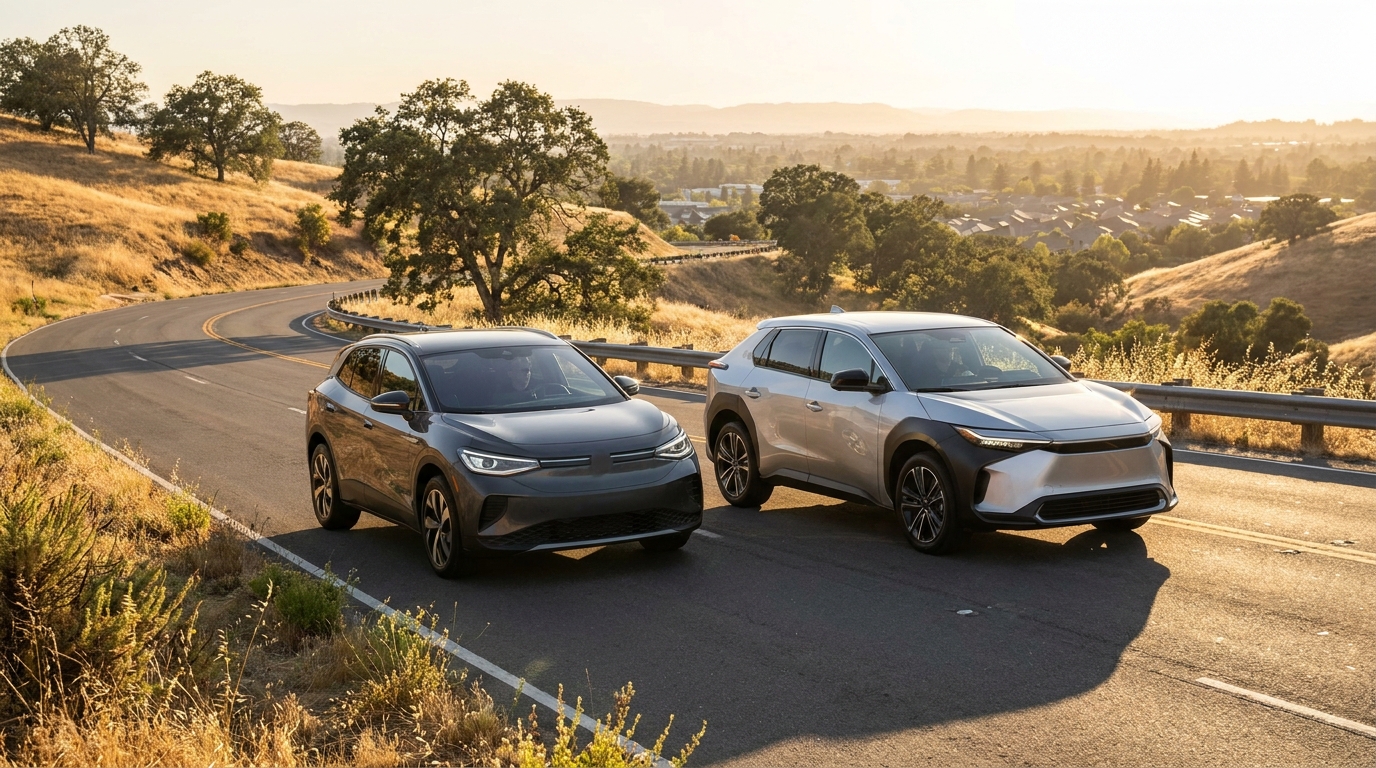
EV range, charging speeds, and onboard software are still on a steep improvement curve. A three-year lease lets you step into the next generation of Volkswagen's MEB platform — and whatever successor architecture VW rolls out — without being stuck with a vehicle whose resale value has been hammered by newer, longer-range competition.
Predictable Costs Match Bay Area Lifestyles
Lease payments bundle depreciation and financing into a fixed monthly number. For Santa Clara renters and homeowners who already juggle high housing costs, that predictability is genuinely useful. Maintenance is also minimal during the lease term — EVs have far fewer wear items than internal combustion vehicles.
The Case for Buying a Volkswagen EV
Buying still wins in several specific scenarios.
You Drive a Lot
Most leases cap you at 10,000 or 12,000 miles per year. If your commute takes you from Santa Clara out to Fremont, Gilroy, or across the Dumbarton Bridge daily, you'll burn through that allowance and pay overage fees at lease-end. Buyers don't have that ceiling.
You Plan to Keep the Car 7+ Years
The cheapest mile you'll ever drive is the one in a paid-off car. If you're the type who runs vehicles until they die, financing a purchase — and then enjoying several years with no car payment — almost always beats perpetual leasing on total cost of ownership.
You Want to Modify or Customize
Roof racks for Tahoe trips, wraps, aftermarket wheels — leases restrict modifications. Ownership doesn't.
How California Sales Tax Affects the Decision
One important California-specific point: when you lease in California, sales tax is charged on each monthly payment rather than on the full vehicle price upfront. That can make the cash flow on a lease meaningfully lighter than in states that tax the full lease value at signing. On a purchase, you pay Santa Clara County's full sales tax rate on the vehicle price at the time of sale.
Also worth knowing: California does not offer a sales-tax credit for trade-ins the way some other states do. The trade-in reduces your cap cost on a lease or your financed amount on a purchase, but it doesn't reduce your taxable amount.
California Incentives Worth Knowing About in 2026
Programs change frequently, so verify current eligibility before signing, but Santa Clara residents have historically had access to:
- State-administered EV rebate programs with income-based eligibility
- Clean Air Vehicle (CAV) decals that grant single-occupant access to HOV lanes on 101, 237, and 880 — a tangible daily benefit for South Bay commuters
- Utility-specific EV charging rebates through Silicon Valley Power for Santa Clara residents, and through PG&E for surrounding areas
- Federal home charger and installation credits for owners installing Level 2 equipment
Most of these incentives apply whether you lease or buy, but the CAV decal in particular stays with the vehicle, not the driver — so a leased car returned at end-of-term takes its decal with it.
Running the Numbers: A Practical Framework
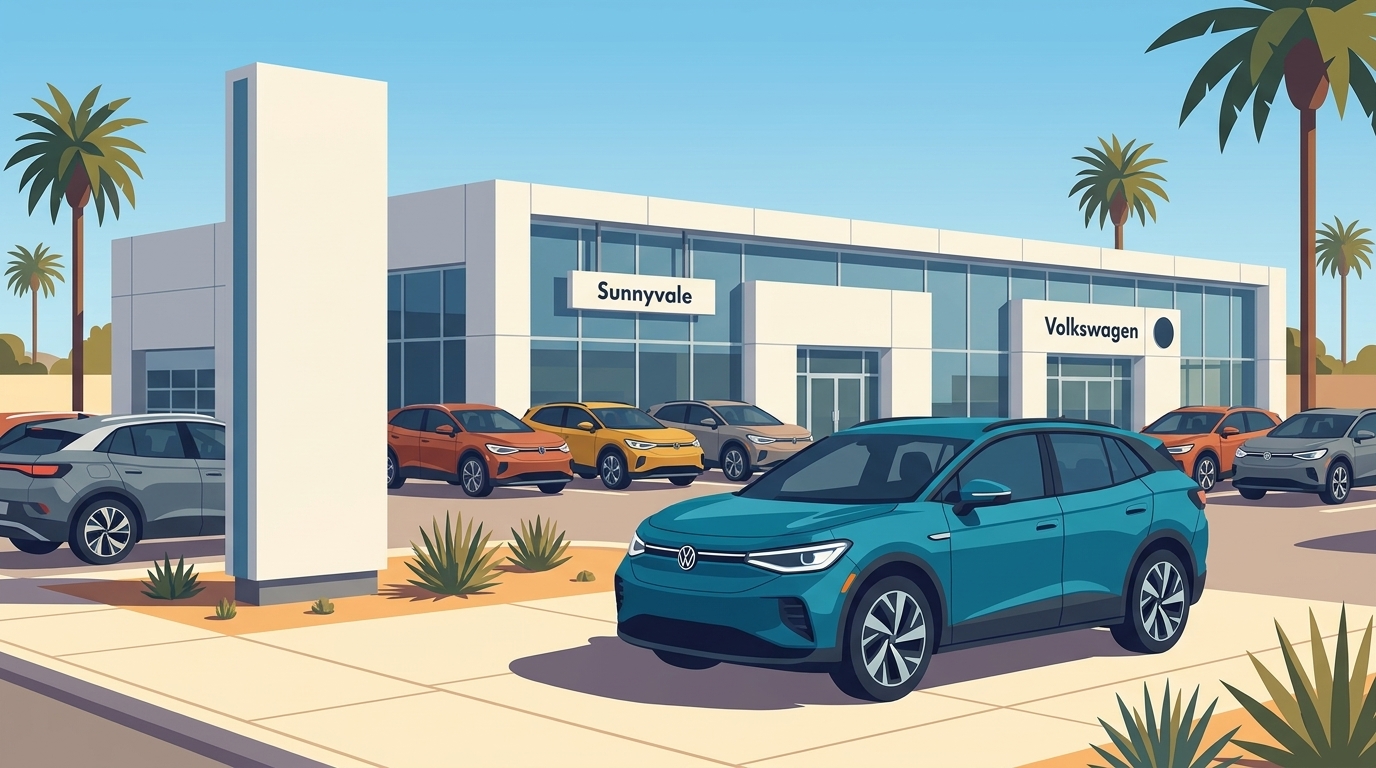
When we sit down with Santa Clara buyers at Sunnyvale Volkswagen, we walk through five questions that almost always clarify the right path:
- How many miles will you actually drive? Be honest. Pull your last 12 months of odometer data if you can.
- What's your household income relative to the federal credit caps? If you're above them, leasing is likely the only way to capture the federal benefit.
- How long do you typically keep cars? Under 4 years favors leasing; 7+ favors buying.
- Do you have Level 2 charging at home, or will you install it? This affects both ownership experience and incentive eligibility.
- What's your tolerance for technology obsolescence? If you want the latest range and software, lease. If you don't mind driving a 2026 ID.4 in 2033, buy.
FAQs: Volkswagen EV Lease vs Buy in Santa Clara
Is leasing an EV really cheaper than buying one?
On monthly payment, almost always yes — particularly because the federal credit pass-through reduces the capitalized cost. On total cost of ownership over 8+ years, buying typically wins. The right answer depends on your time horizon.
Can I buy out my Volkswagen EV lease at the end?Yes. Most VW Credit leases include a purchase option at a predetermined residual value. If used EV values stay strong, the buyout can be a smart move; if they fall, you simply return the car and walk away.Does Volkswagen offer special EV lease deals?
Volkswagen Credit regularly publishes promotional lease programs on ID.4 and ID.7 models, often with reduced money factors and elevated residuals that make the math work in your favor. These offers change monthly, so it's worth checking current programs when you're ready to shop.
What about charging at home in Santa Clara?
Most single-family homes in Santa Clara can accommodate a Level 2 charger on a 240V circuit. Condos and townhomes in areas like Rivermark or near Santana Row may require HOA approval — California's Right to Charge law generally supports residents' ability to install charging, but the process takes time, so start early.
Where to Go From Here
The lease-versus-buy decision deserves more than a five-minute calculation in a showroom. It's a financial decision with a five-to-ten-year tail, and small differences in how the deal is structured — money factor, residual, cap cost reductions, incentive stacking — can swing the total cost by thousands.
Santa Clara residents who want to walk through both paths side-by-side with current numbers on the ID.4 and ID.7 can reach Sunnyvale Volkswagen at sunnyvalevw.com. The team there has worked with plenty of South Bay buyers navigating the same questions, and the dealership's 4.4★ rating across more than 1,400 Google reviews reflects a process that customers describe as transparent and low-pressure — which is what you want when the stakes are this size.