Car Maintenance Costs: Budgeting for Vehicle Ownership
A practical guide to car maintenance costs and auto repair expenses in Sunnyvale. Learn what to budget for vehicle ownership in 2026.
Car Maintenance Costs: Budgeting for Vehicle Ownership
Owning a vehicle involves more than a monthly payment. For many Sunnyvale drivers, the ongoing cost of keeping a car in reliable condition comes as a genuine surprise — one that can strain household budgets if not planned for in advance. Understanding the full scope of vehicle maintenance budgets, from routine service to unexpected repairs, is one of the most practical steps any car owner can take.
As of 2026, AAA estimates that the average American driver spends between $1,200 and $1,500 annually on vehicle maintenance and repairs — and that figure climbs significantly for drivers who defer routine service. In the Bay Area, where labor rates and parts costs tend to run higher than national averages, budgeting carefully is especially important.
What Falls Under Car Maintenance Costs
Car ownership expenses fall into two broad categories: scheduled maintenance and unscheduled repairs. Scheduled maintenance includes the service intervals outlined in a vehicle's owner manual — oil changes, tire rotations, brake inspections, filter replacements, and fluid checks. Unscheduled repairs, by contrast, are the unexpected failures: a worn alternator, a failing water pump, or a damaged sensor that triggers the check engine light.
The distinction matters because scheduled maintenance is largely predictable and therefore budgetable, while unscheduled repairs require a financial cushion. A well-maintained vehicle will still require unscheduled repairs over time, but the frequency and severity tend to be lower than for a neglected one.
Typical Auto Repair Costs by Service Type
To build a realistic vehicle maintenance budget, it helps to understand what individual services cost in 2026. These figures represent general ranges for the Sunnyvale market and will vary by vehicle make, model, age, and service provider.
- Oil change (synthetic): $80–$140. Most modern vehicles, including Volkswagen models, require full synthetic oil, which costs more than conventional but lasts longer — typically 7,500 to 10,000 miles per change.
- Tire rotation: $25–$60. Usually performed at every other oil change interval or every 5,000–7,500 miles. Skipping rotations accelerates uneven tire wear and shortens tire life.
- Brake pad replacement (per axle): $180–$400. Brake service needs vary widely depending on driving style and terrain. Urban stop-and-go driving in Sunnyvale tends to wear brakes faster than highway driving.
- Air filter replacement: $30–$75. A straightforward service, but one that affects both engine performance and fuel economy when neglected.
- Cabin air filter: $25–$60. Particularly relevant in the Bay Area, where seasonal air quality can affect cabin filtration systems more quickly.
- Battery replacement: $150–$300 installed. Battery life averages three to five years; heat exposure in California can shorten that range.
- Coolant flush: $100–$175. Recommended every two to five years depending on the vehicle manufacturer's specifications.
- Tire replacement (per tire): $120–$280 installed, depending on size and brand. A full set of four can represent $500 to $1,100 or more for performance or larger-format tires.
Annual Vehicle Maintenance Budget: A Practical Framework
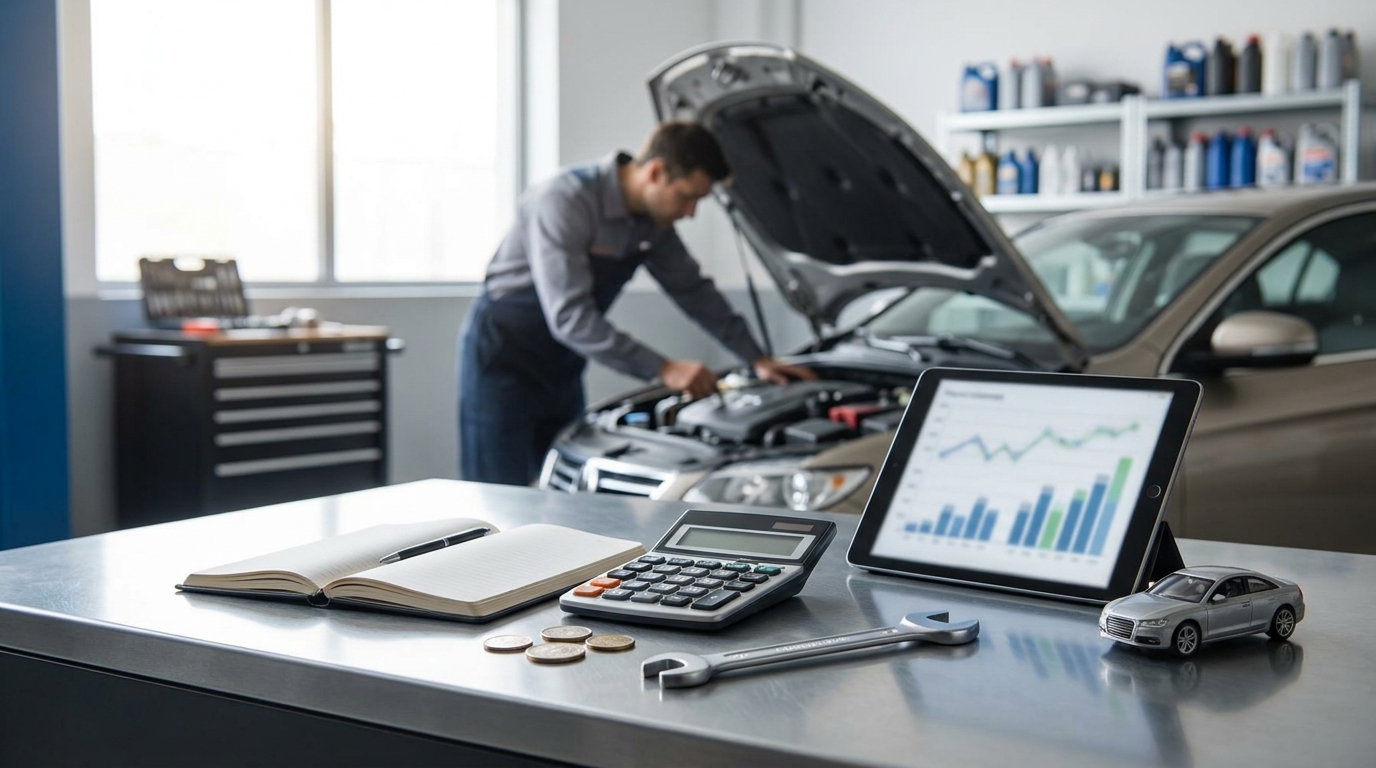
A reasonable annual vehicle maintenance budget for a newer vehicle in Sunnyvale falls between $1,000 and $1,800, assuming no major mechanical failures. For vehicles with more than 60,000 miles, that estimate should increase to $1,500–$2,500 or higher to account for the likelihood of more frequent component replacements.
Financial planners often recommend setting aside a monthly maintenance reserve — roughly $100 to $150 per month for a newer vehicle — rather than treating car upkeep as a line item that only appears when a service invoice arrives. This approach smooths out the financial impact and ensures funds are available when service is due.
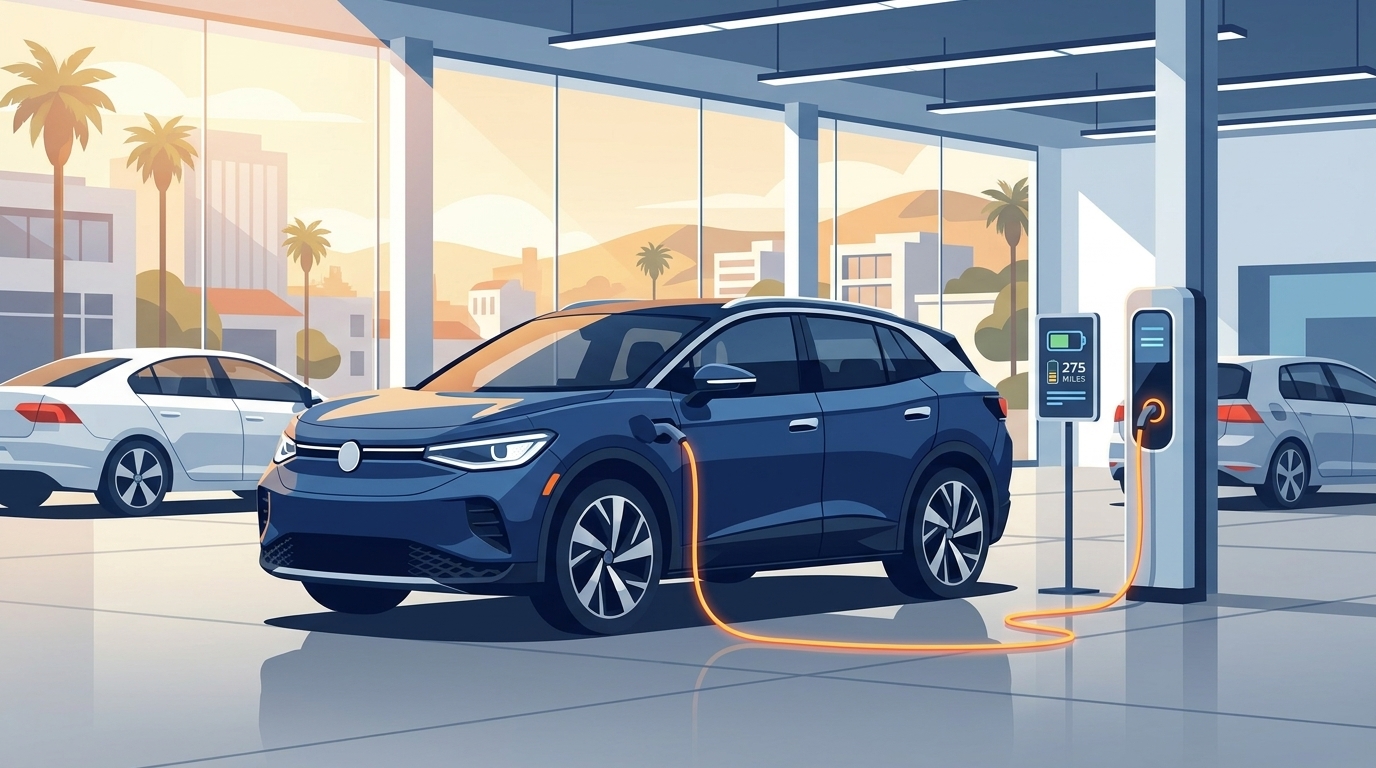
Electric vehicle owners face a different cost profile. Models like the Volkswagen ID.4 have no oil changes, no timing belts, and fewer moving parts overall, which reduces some recurring service costs. However, tire wear, brake service, cabin filters, and battery monitoring still apply, and software-related service needs are an emerging category worth accounting for.
The Cost of Deferred Maintenance
One of the most reliable ways to increase auto repair costs is to delay scheduled maintenance. Neglecting an oil change, for example, accelerates engine wear and can lead to sludge buildup that causes far more expensive damage over time. A deferred timing belt service — typically due between 60,000 and 100,000 miles depending on the vehicle — can result in catastrophic engine failure if the belt snaps, turning a $400–$700 service into a repair bill that may exceed $3,000 to $5,000.
The pattern holds across most service categories. Driving on worn brake pads damages rotors, turning a pad replacement into a pad-and-rotor job that costs two to three times more. Running tires below recommended pressure accelerates wear and increases the risk of blowouts. In each case, the short-term savings of skipping service are outweighed by the longer-term repair costs.
Dealer Service vs. Independent Shops: What Sunnyvale Drivers Should Know
A common question among Sunnyvale vehicle owners is whether to use a franchised dealership service department or an independent repair shop. Both have legitimate roles, but the decision is worth thinking through carefully.
Franchise dealerships employ technicians who are factory-trained on specific vehicle brands and have direct access to manufacturer-approved parts, diagnostic software, and technical service bulletins. For vehicles still under warranty, dealership service is often required to preserve coverage. For complex or brand-specific repairs — especially on vehicles with sophisticated driver assistance systems or proprietary software like modern Volkswagen models — factory-trained technicians often have diagnostic advantages that general shops cannot replicate.
Independent shops typically offer lower labor rates and may be a reasonable choice for straightforward services like oil changes or tire rotations on older, out-of-warranty vehicles. The tradeoff is that technician training and parts sourcing can vary significantly between shops.
Sunnyvale Volkswagen's service department, for instance, works specifically with Volkswagen vehicles and uses manufacturer-approved parts and diagnostic tools. Customers who have used the service department note the transparency in the process — one recent reviewer described the purchasing and service experience as having "no hidden fees," a quality that carries through to the service department's approach to estimates and repairs.
How to Reduce Car Ownership Expenses Without Cutting Corners
Reducing the total cost of vehicle ownership does not require skipping necessary service — it requires being strategic about when and how service is performed.
- Follow the manufacturer's maintenance schedule, not the most aggressive recommendation from a service counter. Many modern vehicles require oil changes less frequently than older models, and over-servicing adds cost without adding benefit.
- Use factory or OEM-equivalent parts for critical systems. Aftermarket parts may save money upfront but can affect performance and longevity in ways that generate higher repair costs later.
- Take advantage of service packages and prepaid maintenance plans when purchasing a vehicle. These plans lock in service costs at predictable rates and often represent genuine savings over time.
- Address small issues early. A minor oil leak or a new noise is typically far less expensive to diagnose and repair before it compounds into a larger failure.
- Keep records of all service performed. Documentation supports warranty claims, helps diagnose recurring issues, and preserves resale value.
Frequently Asked Questions: Car Maintenance Costs
How much should I budget annually for car maintenance in Sunnyvale?
For a vehicle under 60,000 miles, a reasonable annual budget is $1,000 to $1,800. For higher-mileage vehicles, plan for $1,500 to $2,500 or more, depending on the make, model, and service history. Bay Area labor rates are generally above the national average, which should be factored into any local estimate.
Does regular maintenance actually reduce long-term auto repair costs?
Yes, consistently. Deferred maintenance is one of the primary drivers of unexpected, high-cost repairs. Vehicles with documented service histories also tend to have higher resale values, which indirectly reduces the total cost of ownership over the life of the vehicle.
Are electric vehicles cheaper to maintain than gas-powered cars?
In general, yes — but not cost-free. EVs eliminate oil changes, timing belts, and certain exhaust-related services. However, tire wear, brake inspections, cabin air filtration, and battery system health checks still apply. As of 2026, EV-specific service categories are also expanding as software and battery management systems mature.
Is dealership service more expensive than independent shops?
Dealership labor rates are often higher, but the comparison is not always straightforward. Factory-trained technicians, manufacturer-approved parts, and brand-specific diagnostic tools can prevent misdiagnoses and repeat repairs that end up costing more in the long run. For warranty-covered work, dealership service is typically the correct choice regardless of cost.
What is the most commonly skipped maintenance item?
Cabin and engine air filter replacements, coolant flushes, and transmission fluid changes are among the most frequently deferred services. These are low-cost intervals that have an outsized impact on long-term reliability when neglected.
Conclusion
Budgeting for vehicle ownership means accounting for the full range of car maintenance costs — not just the headline price of a new car or lease payment. Sunnyvale drivers who plan ahead, follow manufacturer service schedules, and work with qualified technicians tend to spend less over the life of their vehicles, not more. The math on preventive maintenance is consistent: staying current on scheduled service reduces the frequency and severity of unscheduled repairs.
Sunnyvale Volkswagen's service department at sunnyvalevw.com is a practical resource for Sunnyvale-area Volkswagen owners looking for factory-trained technicians and transparent service estimates. The dealership holds a 4.4-star rating across more than 1,400 Google reviews, with customers regularly noting the transparency and straightforward approach to both sales and service. Drivers with questions about a specific maintenance interval, an upcoming repair estimate, or planning a service schedule for a new or used Volkswagen can reach the service team directly through the website.