New vs Used Electric Car in San Jose: Which Makes More Financial Sense in 2026?
A San Jose buyer's guide comparing the real 2026 cost of new vs used EVs, including California incentives, financing, and the expired federal tax credits.

For San Jose drivers weighing an electric vehicle purchase in 2026, the financial calculus has shifted meaningfully. The federal tax credit landscape that defined EV buying for the past several years has closed, California's state-administered incentives remain active but income-qualified, and the used EV market has matured into a genuine alternative to a new purchase. The right answer — new or used — now depends less on chasing a credit and more on matching the vehicle to the buyer's budget, commute, and household income.
This is a comparison built specifically for the Santa Clara Valley market, where higher household incomes, dense charging infrastructure, and California's strict emissions framework all influence which path makes more financial sense.
The Federal Tax Credit Picture Has Changed
For years, the headline number driving EV shopping was the federal credit: up to $7,500 on a qualifying new EV under IRC §30D, or up to $4,000 on a qualifying used EV under IRC §25E. As of current IRS guidance,..
What this means in practice for a San Jose buyer in 2026: the federal credit is not part of the math on a vehicle purchased today., but anyone acquiring a vehicle now is buying without that subsidy. Any cost comparison that still bakes in $7,500 of federal help is out of date.
California Incentives Are Now the Center of Gravity
California's state-administered programs continue independently of the federal cutoff, which makes them the most important incentive layer for South Bay buyers. Two CARB-administered programs are particularly relevant:
- Clean Cars 4 All (CC4A): Provides grants to income-qualified California residents who scrap an older high-polluting vehicle and replace it with a new or used BEV, PHEV, or fuel-cell vehicle. Amounts vary by income tier and air district.
- Driving Clean Assistance Program (DCAP): Provides grants and affordable financing to income-qualified buyers for new or used EVs and PHEVs, through participating dealers.
Both are subject to funding availability and require purchase from participating dealers, and current income thresholds should be verified directly with CARB or the Bay Area Air Quality Management District before making a buying decision. For a household in Evergreen, Berryessa, or Willow Glen that qualifies on income, these programs can meaningfully change the new-vs-used math — sometimes more than the old federal credit would have.
New EV: What You Actually Pay in San Jose
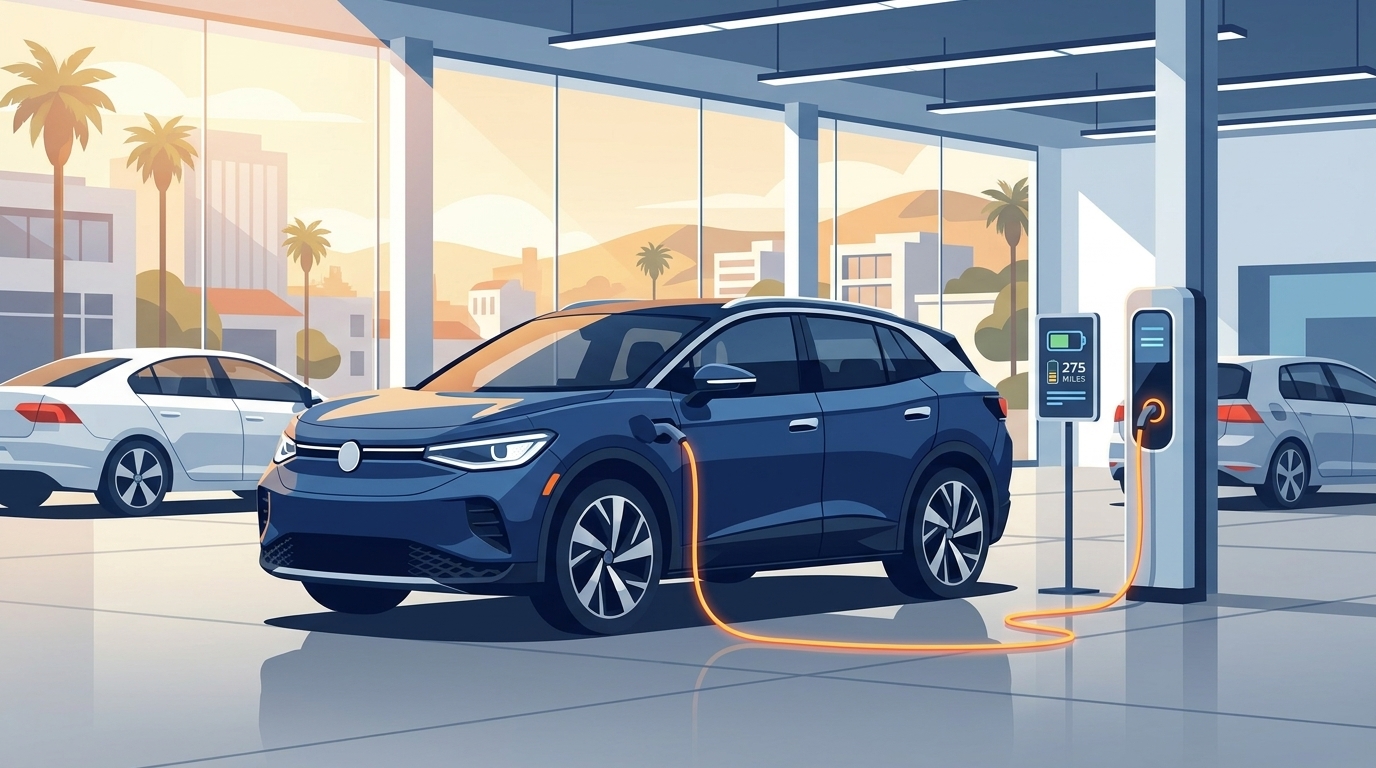
Buying a new EV in 2026 means paying close to sticker without federal help, but with several offsetting advantages. New EVs in the San Jose market typically carry full manufacturer warranties (often 8 years or 100,000 miles on the battery), the latest battery chemistry and thermal management, and DC fast-charging speeds that materially affect road-trip usability between the Bay Area, Tahoe, and Southern California.
For higher-income Santa Clara County households — which the Census consistently identifies as among the highest in the country — the income caps on incentives are also a practical issue. Even when federal credits were available, many South Bay dual-income households exceeded the §30D modified AGI limits ($150,000 single, $300,000 married filing jointly) and the stricter §25E used-credit limits ($75,000 single, $150,000 married filing jointly). California's income-qualified programs have their own thresholds, and many San Jose buyers will simply not qualify.
For those buyers, the financial case for new rests on warranty coverage, range, charging speed, and total cost of ownership over a long hold — not on incentives.
Used EV: Where the Real Value Sits in 2026
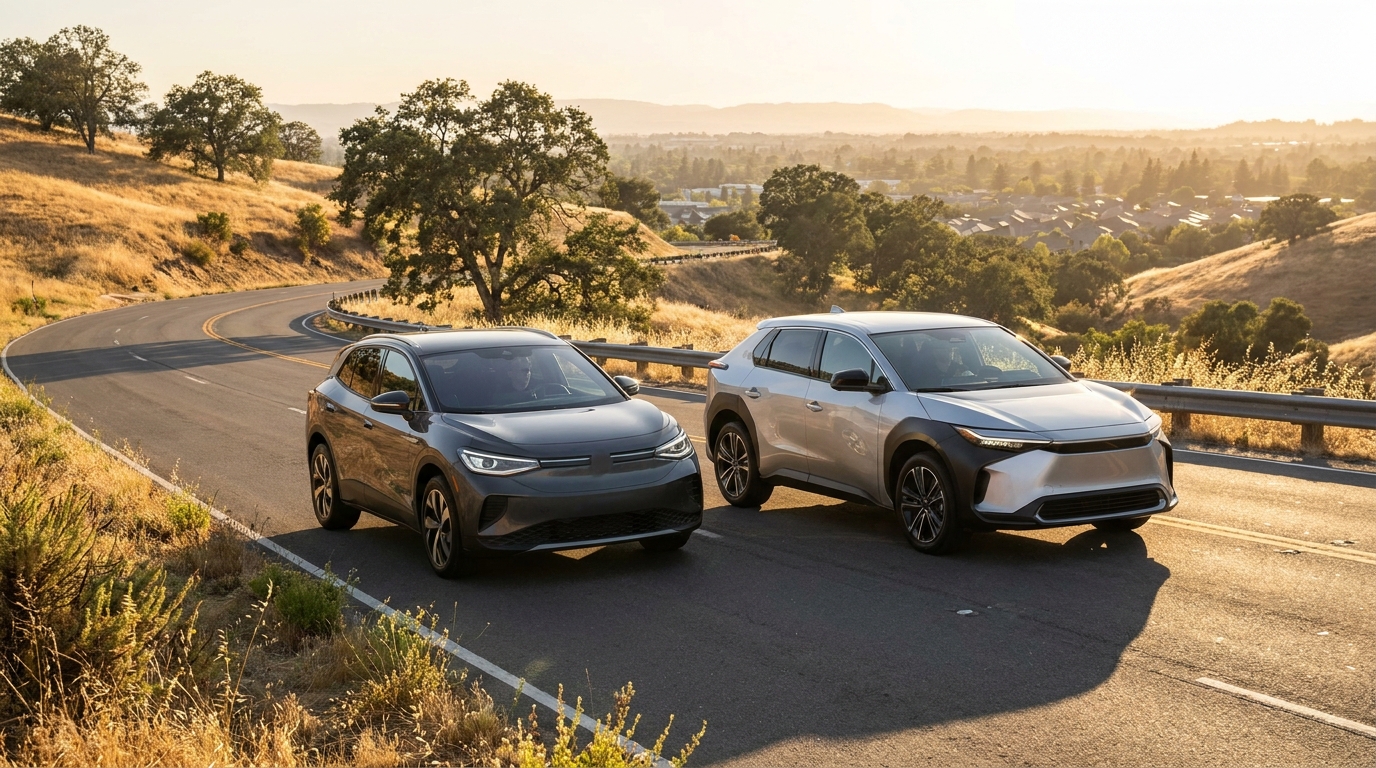
The used EV market is where the cost comparison gets interesting. Depreciation on EVs over the last several years has been steep, which is bad news for original owners but excellent news for second buyers. A three- or four-year-old EV in the San Jose used market often delivers 80–90% of the daily usability of a new equivalent at a fraction of the transaction price.
For income-qualified buyers who would have used the federal §25E credit — 30% of the sale price, capped at $4,000, on vehicles priced at $25,000 or less and at least two model years older than the purchase year, bought from a licensed dealer —. In 2026, the used EV value proposition is now a pure price-and-condition discussion, supported where applicable by California's state programs.
Key things San Jose used-EV shoppers should evaluate:
- Battery state of health. A reputable EV dealer should provide a battery health report, not just an odometer reading.
- Remaining battery warranty. California requires longer EV battery warranties than the federal minimum on many vehicles sold here — confirm what transfers to a second owner.
- Charging compatibility. With the industry shifting toward NACS, older used EVs with CCS ports may require adapters at certain Bay Area fast chargers.
- Service history in California climate. A vehicle that spent its first life in the temperate Bay Area is generally a better bet than one shipped from a desert or freeze-prone market.
Financing: The Cost Layer That Often Decides the Question
EV financing in San Jose looks different than gas-vehicle financing for two reasons: loan terms on EVs have lengthened to offset higher transaction prices, and used EV loans often carry slightly higher rates than comparable used ICE loans because lenders are still calibrating residual values.
A useful way to frame the new-vs-used decision is monthly cost of ownership, not sticker price. That figure includes the loan payment, insurance (which in California reflects the vehicle's repair cost and theft profile), electricity at PG&E's EV-friendly time-of-use rates, and projected maintenance. A new EV with a longer loan and full warranty can pencil out close to a used EV with a shorter loan and out-of-warranty repair exposure — particularly for buyers planning to keep the vehicle seven or more years.
Shoppers searching for electric car financing near me should compare credit-union pre-approvals with dealer-arranged financing. Dealers that work with multiple lenders, including Volkswagen Credit and regional banks, can often structure a payment that aligns with the buyer's monthly budget rather than starting from the sticker.
So Which Makes More Sense in San Jose?
For most San Jose buyers in 2026, the financial answer breaks down roughly like this:
- Used EV makes more sense for buyers focused on lowest total cost, with predictable local commuting (think Cupertino-to-downtown, or within the 280/680/101 triangle), who can verify battery health and don't need maximum range.
- New EV makes more sense for buyers who value full warranty coverage, plan to keep the vehicle long-term, take regular trips outside the Bay Area, or qualify for a California income-based program that applies to new purchases.
The expired federal credit removes what used to be the cleanest tiebreaker. In its place, the deciding factors are warranty exposure, household income relative to California program thresholds, and how the monthly payment fits into a Bay Area cost-of-living budget that already includes some of the country's highest housing and insurance costs.
Frequently Asked Questions
Do electric cars still qualify for tax incentives in California?
. California's state programs — including Clean Cars 4 All and the Driving Clean Assistance Program — continue under CARB authority, subject to income qualification and funding availability.
What's the cheapest way to get into an EV near San Jose right now?
For income-qualified households, a used EV combined with a CC4A or DCAP grant is typically the lowest entry point. For households above program income limits, a used EV financed through a credit union or dealer-arranged loan is generally the cheapest path.
Can I still claim the federal used EV credit on my 2026 return?
, the dealer reported the time-of-sale information to the IRS, and the buyer and vehicle met all §25E requirements. The credit is claimed on IRS Form 8936.
Does private-party buying qualify for any incentives?
No. The federal §25E credit required purchase from a licensed dealer, and California's CC4A and DCAP programs likewise require participating dealers. Private-party used EV sales do not qualify.
Working Through the Decision Locally
The new-vs-used question is ultimately a personal-finance question dressed up as a vehicle question. The right answer depends on income, hold period, commute, and whether the buyer qualifies for California's state programs — not on a single headline incentive number.
San Jose drivers who want to work through the numbers with a dealer that handles both new and pre-owned electrified inventory can reach Sunnyvale Volkswagen at https://www.sunnyvalevw.com/. A grounded conversation that covers California program eligibility, financing structure, and total monthly cost is generally more useful than any online calculator, particularly in a market as cost-sensitive as the South Bay.
This article is general information, not tax or legal advice. Buyers should confirm current vehicle eligibility, California program rules, and income thresholds directly with the IRS, CARB, and a qualified tax professional before purchase.