New Car vs Used Car: Which Should You Buy in Silicon Valley
Deciding between a new or used car in Silicon Valley? Compare costs, depreciation, financing, and value to make the right call in today's 2026 market.
New Car vs Used Car: Which Should You Buy in Silicon Valley
If you're car shopping in Santa Clara right now, you've probably already done the mental math a dozen times. New car prices in Silicon Valley have stayed stubbornly high into 2026, but so has demand for quality used vehicles. The result is a market where neither option is obviously cheaper — and the right choice depends heavily on your situation, not just the sticker price.
This guide breaks down what actually matters when you're deciding between buying new and buying used in the Bay Area, so you can make a confident decision without second-guessing yourself at the dealership.
The Core Tradeoff: Certainty vs. Value
When you buy a new car, you're paying for certainty. You know exactly what you're getting — full warranty coverage, zero prior owners, the latest safety technology, and often the most current fuel efficiency ratings. For buyers in Santa Clara who commute long distances or rely on a single vehicle for their household, that peace of mind carries real financial value.
When you buy used, you're trading some of that certainty for a lower purchase price. A well-chosen used vehicle can deliver excellent reliability at a fraction of the new-car cost — but it requires more homework and a little more trust in the seller.
Neither approach is inherently smarter. The question is which tradeoff fits your life.
How Car Depreciation Shapes the Decision
Car depreciation is the single most important financial factor in this comparison, and it tends to get glossed over in the excitement of shopping. A new vehicle typically loses a significant portion of its value in the first two to three years of ownership. In practical terms, that means someone buying a two-year-old certified pre-owned vehicle is often getting a car that's still nearly new — but at a substantially reduced price.
In Silicon Valley specifically, this matters more than it might in other regions. The high cost of living in Santa Clara means that every dollar saved on a vehicle can go toward housing, savings, or other priorities. Buying a used car that's already absorbed its steepest depreciation curve is a reasonable strategy for buyers who are watching their monthly budget carefully.
That said, depreciation works the other way too. If you buy new and plan to keep the car for eight to ten years, you'll spread that depreciation across a much longer ownership window — and the per-year cost often becomes more competitive than people expect.
Financing Options: New vs. Used in 2026
One area where new cars have a consistent structural advantage is financing. Manufacturer-backed financing programs — the kind offered through dealerships on new vehicles — often carry significantly lower interest rates than third-party loans available for used cars. In 2026, this gap matters more than it did in prior years when rates were historically low across the board.
If you're comparing a 2.9% APR on a new Volkswagen to a 7% or 8% rate on a private-party used car loan, the monthly payment math shifts considerably. Always factor in the total interest paid over the life of the loan, not just the monthly amount.
Used car financing through a franchised dealership tends to fall somewhere in between — better than most private-party or independent lot rates, but generally higher than new-car promotional offers. Certified pre-owned programs sometimes include manufacturer-backed financing as well, which narrows the gap.
Before you decide, it's worth getting pre-approved through your bank or credit union so you have a baseline for comparison. That way, whatever financing offer comes across the table, you'll know immediately whether it's genuinely competitive.
What Certified Pre-Owned Actually Means
The certified pre-owned (CPO) category often gets oversimplified as "used cars with a warranty," but there's more to it. A CPO vehicle from a manufacturer-affiliated dealership has typically gone through a multi-point inspection, comes with an extended warranty backed by the manufacturer, and may include roadside assistance and other benefits that close the gap with new-car ownership.
For Santa Clara buyers who want near-new reliability without the full new-car price tag, CPO is often the most rational middle ground. You get documented vehicle history, a standardized inspection process, and warranty protection — without paying the premium that comes with being the first owner.
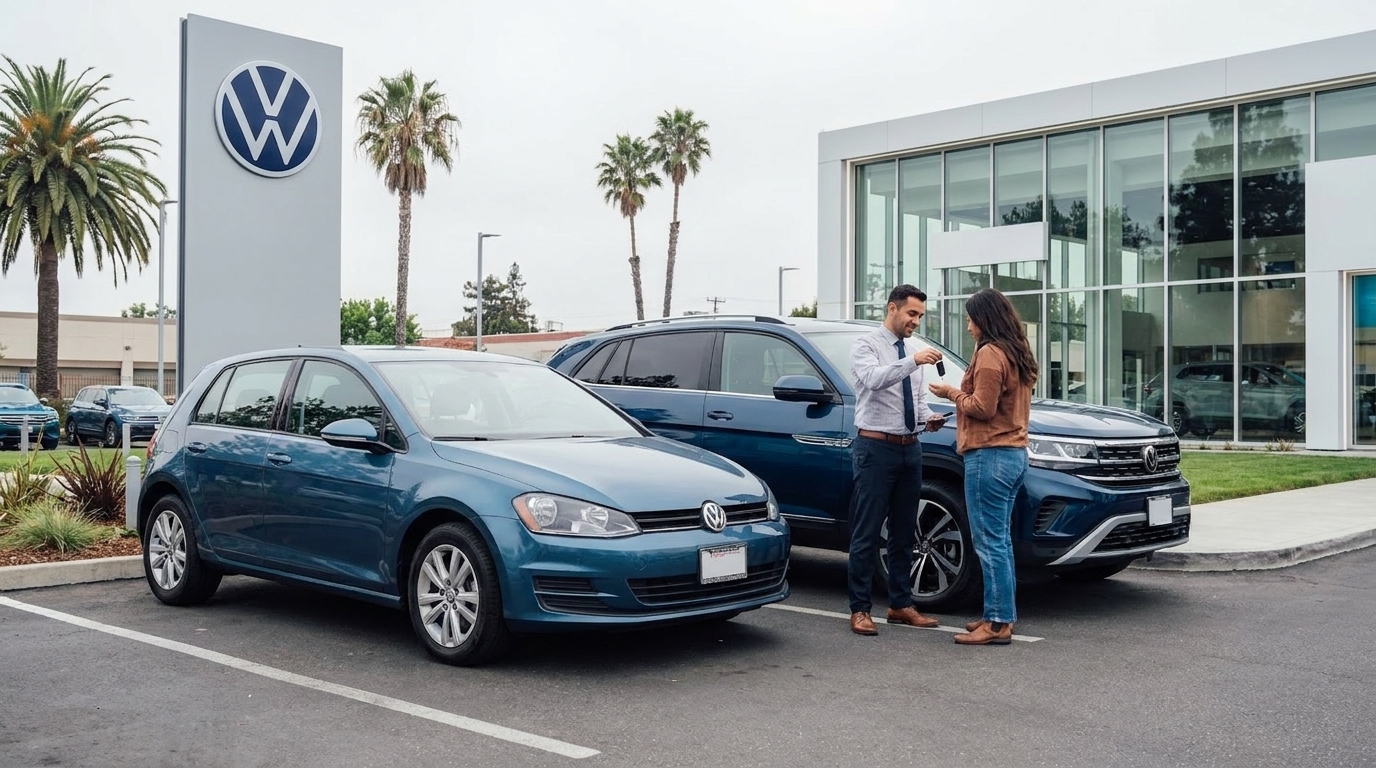
At Sunnyvale Volkswagen, the CPO inventory includes vehicles that have cleared Volkswagen's certification process, which means buyers can compare options across both new and certified used inventory in the same place, often with financing options available for both categories.
The Silicon Valley Cost Context
Living in Santa Clara means your transportation costs exist within one of the most expensive regional economies in the country. That context shapes the new vs. used decision in a few specific ways.
First, parking and insurance costs here tend to be higher than national averages, which means the monthly cost of car ownership runs higher regardless of what you buy. A modestly priced used vehicle can help offset those ongoing costs. Second, the tech-industry workforce in Silicon Valley skews toward buyers who can absorb a new-car purchase more comfortably — but that doesn't mean a new car is always the right financial call, even with a higher income.
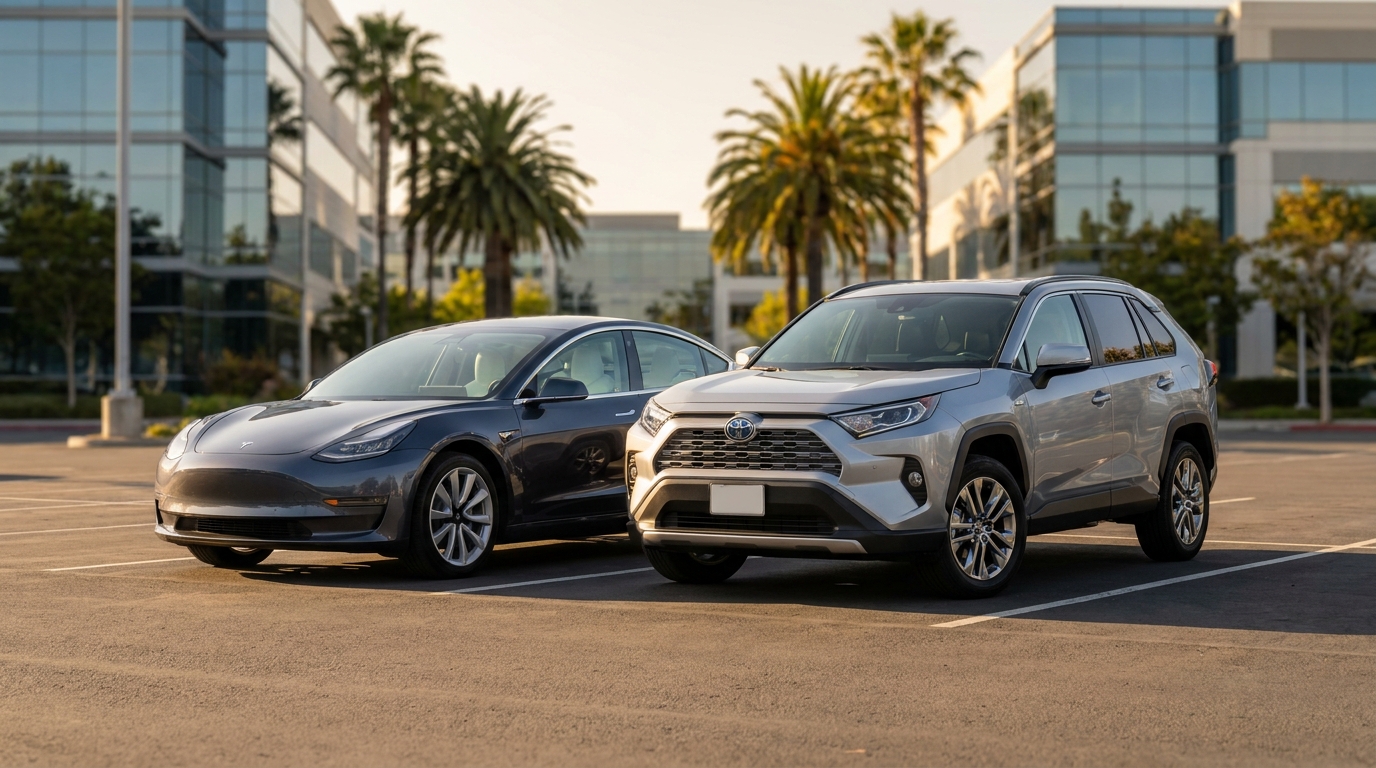
Third, electric vehicles have become a real part of the conversation in this market. If you're considering an EV, new models often come with federal and state incentives in 2026 that don't apply to used purchases in the same way — though used EV incentives have expanded meaningfully. This is worth examining carefully if an EV is on your shortlist.
What to Prioritize When Making Your Decision
Here's a practical framework for narrowing it down:
- Buy new if: You want full warranty coverage, plan to keep the car long-term, qualify for low promotional financing rates, or want access to the latest safety and technology features.
- Buy used if: You want to avoid the steepest depreciation curve, have a tighter monthly budget, are comfortable with a vehicle that's two to four years old, or are buying a second household vehicle.
- Consider CPO if: You want reliability and some warranty protection but aren't committed to paying new-car prices — especially if the vehicle makes and models you're considering have strong CPO programs.
The dealership you work with matters more than most buyers realize. A transparent, pressure-free buying process makes it significantly easier to evaluate both new and used options honestly, without feeling pushed toward the higher-margin choice. Sunnyvale Volkswagen holds a 4.4-star rating from over 1,455 Google reviews, with customers consistently highlighting the no-pressure environment and transparent pricing. One customer wrote that the buying experience was "smooth and stress-free" — a reflection of how preparation and respect for a buyer's time shapes the overall experience.
Frequently Asked Questions
Is it worth buying a new car in Silicon Valley given the high cost of living?
It depends on your financial situation and how long you plan to own the vehicle. If you qualify for low-rate manufacturer financing and plan to keep the car for many years, the per-year ownership cost can be quite reasonable. If your budget is stretched, a quality CPO vehicle is often the smarter financial move in 2026.
How much cheaper is a used car compared to new in the current market?
In 2026, the price gap between new and comparable used vehicles has normalized somewhat compared to the supply-crunch years, but used cars still offer meaningful savings — often 15% to 30% below new pricing on vehicles that are two to four years old, depending on the model and condition.
Are financing options really that different for new vs. used cars?
Yes, meaningfully so. New cars sold through franchised dealerships often carry manufacturer-subsidized financing rates that used-car loans can't match through third-party lenders. The total interest paid over a loan can differ by thousands of dollars depending on the rate, so it's worth comparing financing offers carefully before deciding.
What should I look for in a dealership when buying in Santa Clara?
Look for transparent pricing with no hidden fees, a sales process that moves at your pace, and staff who listen to what you actually need rather than steering you toward a specific inventory item. One customer wrote that a salesperson was "the only sales representative to give me a complete breakdown of the cost" after visiting multiple dealerships — that kind of transparency is what you should expect from any dealership you work with.
Do electric vehicle incentives change the new vs. used calculation?
Yes, and it's worth researching carefully. Federal and California state incentives in 2026 apply differently to new versus used EV purchases, and income eligibility thresholds have evolved. New EVs still carry more predictable incentive structures, though used EV credits have become more accessible. Confirm current eligibility before making your decision.
How do I know if a used car's price is fair in the Silicon Valley market?
Start with multiple reference points — check pricing aggregators for comparable vehicles by mileage, model year, and trim level in your zip code. Silicon Valley used-car prices can run above national averages due to regional demand, so a deal that looks expensive nationally may be fair locally. Getting pre-approved financing gives you a second data point on whether the total deal makes sense.
Is leasing worth considering alongside buying new or used in 2026?
Leasing is worth evaluating if you prefer driving a newer vehicle every few years, want lower monthly payments than a purchase loan, and don't drive significantly above typical annual mileage limits. However, leasing builds no ownership equity. For Silicon Valley buyers weighing all three options, the right path depends on how long you expect to keep the vehicle and your preferences around flexibility versus long-term value.
The Bottom Line
There's no universal right answer to the new vs. used question in Silicon Valley — but there is a right answer for your situation. The variables that matter most are how long you plan to own the vehicle, what financing rate you can realistically access, how much you value warranty coverage, and what your honest monthly budget looks like in a market as expensive as Santa Clara.
What matters just as much is going through the process with a dealership that will give you a straight answer on both options. If you're weighing new versus used Volkswagen models and want to compare real inventory side by side with straightforward pricing, Sunnyvale Volkswagen in Sunnyvale serves the Santa Clara market and carries both new and certified pre-owned vehicles. You can browse current inventory and reach the team at sunnyvalevw.com.